


3 Hotel Furnishing Projects That Stand Out
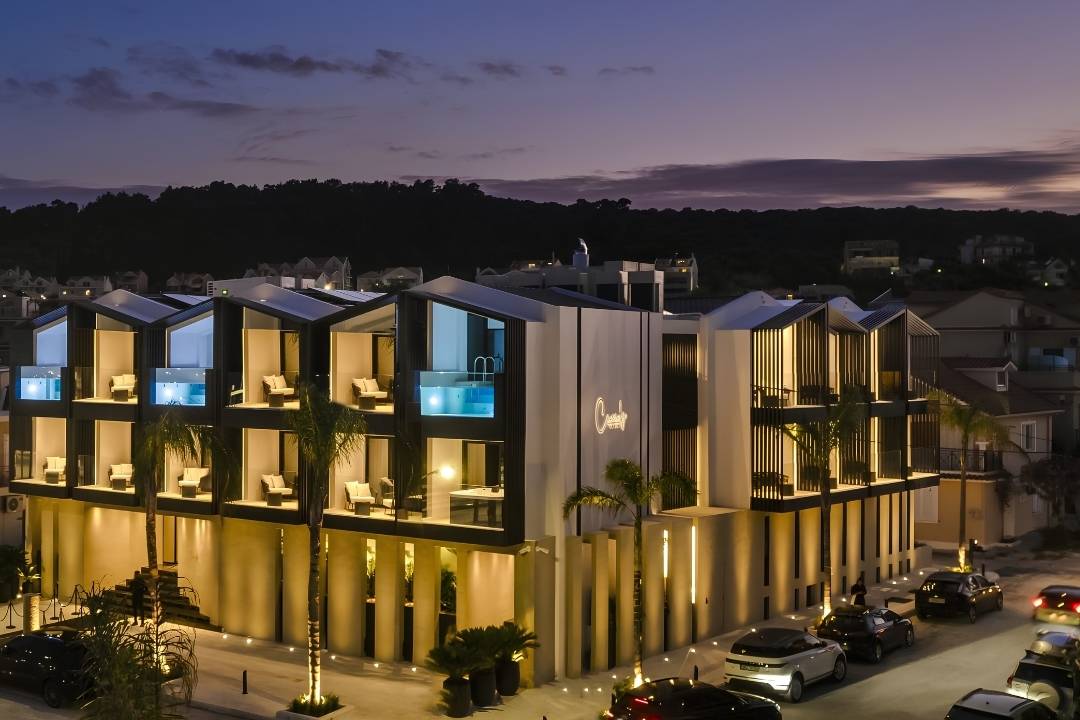
When guests walk into a hotel, the furniture is often one of the first things they notice. Comfortable seating, practical storage, welcoming common areas and thoughtfully designed guest rooms all contribute to the overall experience. Behind these spaces is a carefully planned furnishing project that combines functionality, aesthetics and long-term durability.
For hotel owners, architects and developers, these projects involve much more than selecting furniture. Every decision should support the property’s identity, meet operational needs and create spaces that guests enjoy using. A successful furnishing project also considers maintenance, materials, space planning and how the furniture will perform over time.
In this article, we’ll explain what a furnishing project is, what makes one successful and what valuable lessons can be learned from three distinctive hotel furnishing projects of different styles and scales.
What Is a Furnishing Project?
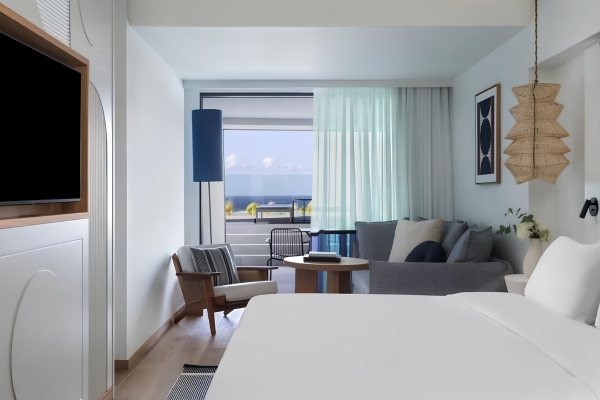
A furnishing project is the process of planning, designing, manufacturing, selecting and installing furniture for a residential or commercial space. In the hospitality industry, they are tailored to create functional environments that reflect the hotel’s character while improving the guest experience.
Unlike simply purchasing furniture, it involves careful coordination between designers, manufacturers, architects and property owners. Every element is selected with a specific purpose, from maximizing available space to ensuring durability in high-traffic areas.
A hotel furnishing project may include:
- Guest room furniture
- Reception and lobby areas
- Restaurant and bar furnishings
- Outdoor seating
- Built-in wardrobes and storage solutions
- Custom furniture designed specifically for the property
Each project is unique because every hotel has different architectural features, operational requirements and branding goals. What works for a boutique hotel may not be suitable for a large resort or an urban business hotel.
What Makes a Hotel Furnishing Project Successful?
Successful furnishing projects are about balancing design with practicality. While attractive interiors certainly leave a positive first impression, furniture also needs to withstand daily use while remaining comfortable and functional for years.
One of the most important factors is understanding how guests interact with each space. A reception area has different requirements than a guest room, while outdoor lounges demand materials that can withstand changing weather conditions.
Durability also plays a significant role. Hotels experience much heavier use than residential properties, making material selection an essential part of every furnishing project. Choosing quality craftsmanship and finishes helps reduce maintenance costs and extends the lifespan of the furniture.
Another important consideration is consistency. Furniture should support the overall design concept, creating a cohesive atmosphere throughout the property rather than making each area feel disconnected.
Finally, successful furnishing projects rely on careful planning from the beginning. Clear communication between architects, designers and furniture manufacturers helps avoid delays, unexpected costs and design inconsistencies during installation.
3 Projects and What We Can Learn from Them
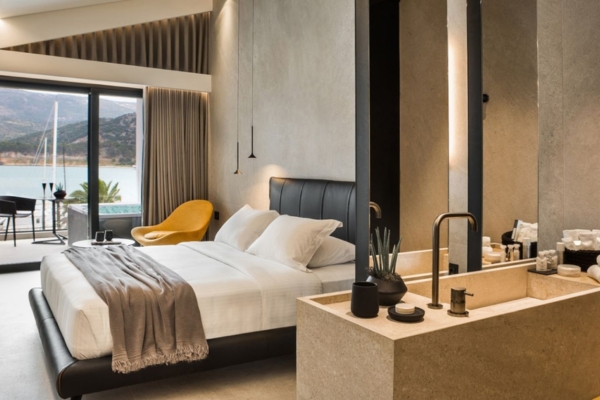
Looking at completed furnishing projects is one of the best ways to understand how thoughtful design can transform a hospitality space. While every hotel has its own identity, successful projects often share the same principles: functionality, quality craftsmanship and furniture that complements the overall guest experience.
Casaly Hotel and Spa
The furnishing approach used in Casaly Hotel and Spa in Kefalonia, highlights the importance of creating interiors that feel both refined and welcoming. Carefully selected furniture, high-quality materials and a cohesive design language work together to create spaces that encourage guests to relax while supporting the hotel’s overall identity. The project demonstrates how well-planned furnishings can contribute to a seamless hospitality experience without compromising functionality.
Intercontinental Hotel Crete
At Intercontinental Crete, the furnishing project reflects the balance between contemporary elegance and everyday practicality. Every furnishing element has been carefully considered to complement the hotel’s architecture while providing comfort and durability for guests. This project shows how large-scale hospitality spaces benefit from furniture that combines premium aesthetics with long-term performance.
Canale Hotel & Suites
Another excellent example is Canale Hotel & Suites in Kefalonia, where the hotel furniture layout contributes to a sophisticated interior while remaining practical for both guests and hotel staff. This balance between style and usability is essential for hotels aiming to provide a memorable stay without compromising operational efficiency.
Although each of these furnishing projects has its own personality, they all demonstrate the importance of designing furniture around the needs of both the property and its visitors. The result is not simply beautiful interiors but spaces that continue to perform well long after the project has been completed.
Common Challenges in Hotel Furnishing Projects
Even the best furnishing projects can face challenges if they are not planned carefully from the beginning. Hotels operate under strict schedules and budgets, meaning every stage of the project requires effective coordination.
- Balance Design With Durability: Furniture should create an attractive environment while standing up to constant daily use. Selecting low-quality materials may reduce the initial investment, but it often leads to higher maintenance and replacement costs in the future.
- Making The Most Of Available Space: Guest rooms, especially in boutique hotels, often have limited square footage. Furniture needs to maximise functionality without making the room feel crowded or uncomfortable.
- Project timelines: Hotel openings and renovations usually follow fixed schedules, so delays in manufacturing or installation can affect multiple aspects of the project. Early planning and close collaboration between everyone involved help minimise these risks.
- Maintain a Consistent Design Language: From guest rooms to reception areas and restaurants, every space should contribute to a unified experience that reflects the hotel’s identity.
How to Plan a Project from Start to Finish
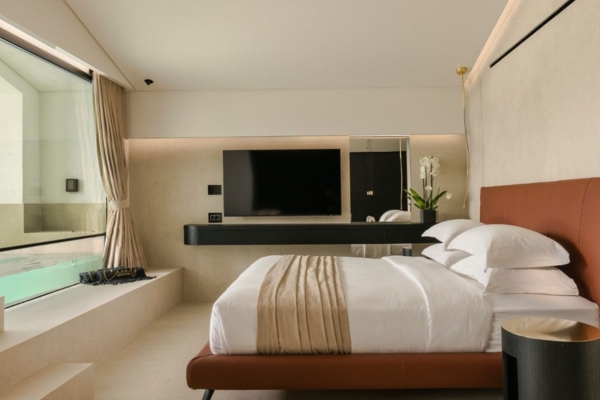
Every successful furnishing project begins with a clear understanding of the property’s goals. Before selecting furniture, it’s important to identify the hotel’s target audience, design style and operational requirements.
- Evaluate Each Space Individually: Reception areas, restaurants, guest rooms and outdoor spaces all serve different purposes, so the furniture should respond to those specific needs rather than follow a one-size-fits-all approach.
- Material Selection: Factors such as durability, maintenance requirements and long-term performance should be considered alongside appearance. Choosing high-quality materials often proves more cost-effective over the life of the furniture.
- Custom-made Furniture: can also provide significant advantages, particularly for modern hospitality projects with unique layouts or specific branding requirements. Tailored solutions help optimise space while ensuring consistency across the entire property.
- Installation and Quality Control: They ensure that every element meets the original design vision. Attention to detail during the final stages contributes to a smoother opening and a better experience for both hotel staff and guests.
So, How Do You Choose the Right Furnishing Project Approach?
No two hotels are exactly alike, which is why every furnishing project should begin with the specific needs of the property rather than current design trends. A well-planned project considers how each space will be used, the expectations of guests and the long-term demands of daily hotel operations.
The most successful furnishing projects combine thoughtful planning, quality craftsmanship and furniture that enhances both functionality and aesthetics. By learning from completed hospitality projects and focusing on practical solutions, hotel owners, architects and developers can create spaces that not only look impressive but also deliver lasting value for years to come.